


 English
 русский
 Español
 Deutsch
 عربى
عربى 中文简体
中文简体
Content
A children's coach is sorting through a pile of soccer balls before practice. A parent asks, "My son just turned five. Which ball does he need?" The answer is a size 3 soccer ball. It is the standard size for players under eight, and it exists because small bodies need a ball that matches their stride and strength. Getting this right matters more than brand or design, because the correct size builds confidence, prevents bad habits, and makes the game fun from the first touch.
What Is a Size 3 Soccer Ball?
A size 3 soccer ball is the smallest ball used in organized children's soccer. Its official circumference ranges from 23 to 24 inches (58 to 61 centimeters), and its weight should stay between 300 and 320 grams (about 11 to 12 ounces). These numbers are not arbitrary; they are based on the average leg length, foot size, and kicking force of children in the under-eight age group.
Here is the standard size chart for comparison:
| Size | Circumference | Weight | Typical Age |
|---|---|---|---|
| Size 1 | 18-20 in | 180-220 g | Skills and display |
| Size 2 | 20-22 in | 250-280 g | Toddler fun |
| Size 3 | 23-24 in | 300-320 g | Under 8 |
| Size 4 | 25-26 in | 350-390 g | Ages 8-12 |
| Size 5 | 27-28 in | 410-450 g | Age 13 and up |
Notice that each size step is carefully controlled. A ball that is too heavy for a child will strain the ankle during repeated kicks. A ball that is too large will change how a child plants, swings, and strikes. The size 3 ball sits at the sweet spot where children can use the inside of the foot, the laces, and the thigh without overextending.
Who Should Use a Size 3 Soccer Ball?
Size 3 soccer balls are designed for children under eight years old, but the real life use is wider. Preschools, kindergartens, and early soccer programs use them for every child in that age range, regardless of actual talent. The ball is also popular for family backyard play and indoor skills sessions.
Age Groups and Skill Levels
A three-year-old will probably only push the ball forward, but the small circumference makes that push controlled. A five-year-old can start dribbling in a straight line. A seven-year-old can practice inside-of-the-foot passing and small shooting drills. The weight and bounce of a size 3 ball allow these skills to develop naturally.
Training at Home and in School
Parents often wonder whether a cheaper foam ball or a novelty ball is good enough for home. For real skill transfer, a properly inflated size 3 soccer ball is better. It carries a predictable bounce, can be kicked over a short distance with accuracy, and teaches a child how a real match ball behaves. Schools also prefer size 3 balls for physical education because their lighter mass reduces the chance of injury and because small hands can catch and carry them easily.
How to Choose a Good Size 3 Soccer Ball?
Size is just the starting point. A good size 3 soccer ball also needs a cover that wears well, stitching that survives rough surfaces, and a bladder that holds air. Here are the details to look for.
Outer Cover: PVC vs. PU Leather
For children's balls, PVC and PU leather dominate the market. PVC is tough, easy to wipe clean, and inexpensive. PU leather feels softer and grips better, but it is usually more expensive and less resistant to scuffs on concrete. For a ball that will be used at a school or at home, a quality PVC cover is often the better recommendation.
Parents and purchasing managers should also check whether the PVC is non-toxic and free of strong chemical smells. Some factories now produce eco-friendly PVC for children's sports equipment.
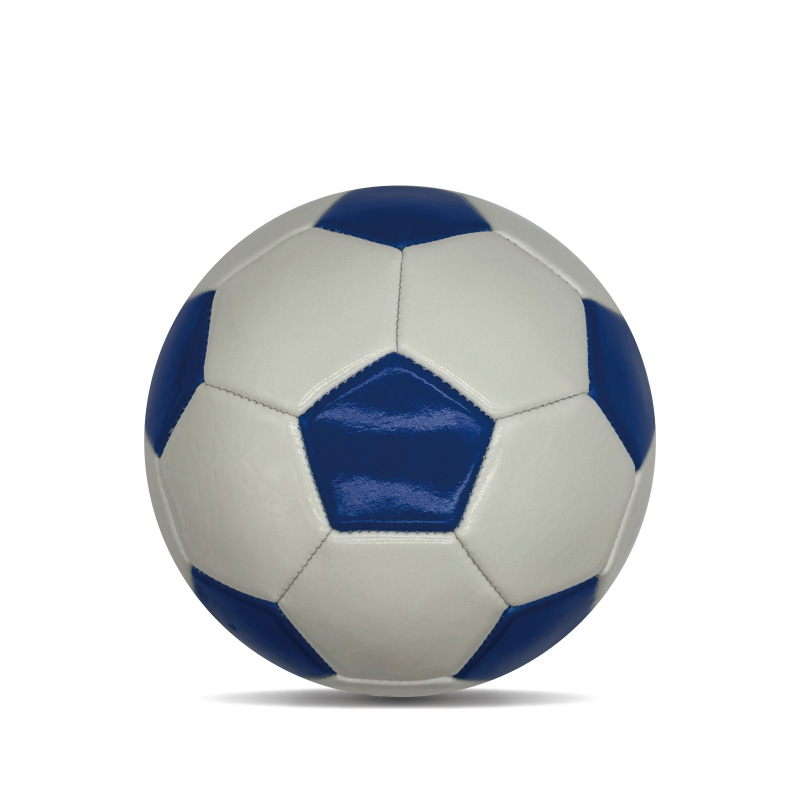 Machine-Stitched Eco-Friendly PVC Size 3 Kids Soccer BallThis ball uses non-toxic, eco-friendly PVC and reinforced machine stitching, making it a safe, durable choice for young players. Its abrasion-resistant surface suits various weather and playing surfaces.View Product →
This custom size 3 ball uses that kind of eco-friendly PVC, and because it is machine stitched, it can hold a printed logo without peeling after a few sessions.
Construction: Machine Stitched vs. Thermal Bonded
The way panels are joined has a direct effect on durability. Machine-stitched soccer balls use industrial thread and are a proven choice for training balls. Thermal bonded balls have a smoother surface and absorb less water, but they cost more and can separate if the child drags the ball on hard ground. For size 3 balls used on grass, asphalt, or gym floors, machine stitching offers the best balance of cost and toughness.
Bladder and Valve
A butyl bladder is the right choice for a children's ball. It retains air much longer than latex, which means the ball stays ready for practice between weekly inflation checks. The valve also needs to be flush with the surface, so it does not poke a child's foot or chest when the ball is headed. Press the valve area before buying; it should feel smooth and slightly flexible.
Customization Options
Schools and teams often want a ball with their name, mascot, or a bright color pattern. A size 3 soccer ball can be customized just like an adult ball. The key is to work with a manufacturer that offers OEM/ODM customization services and understands that children's balls need softer edges and secure printing. Custom panel colors, a small logo, and a specific weight are all possible, but the production run and minimum order can vary.
For indoor and school use, a non-toxic, soft-touch PVC ball is especially popular. It provides enough cushion for indoor walls and enough structure for skill drills.
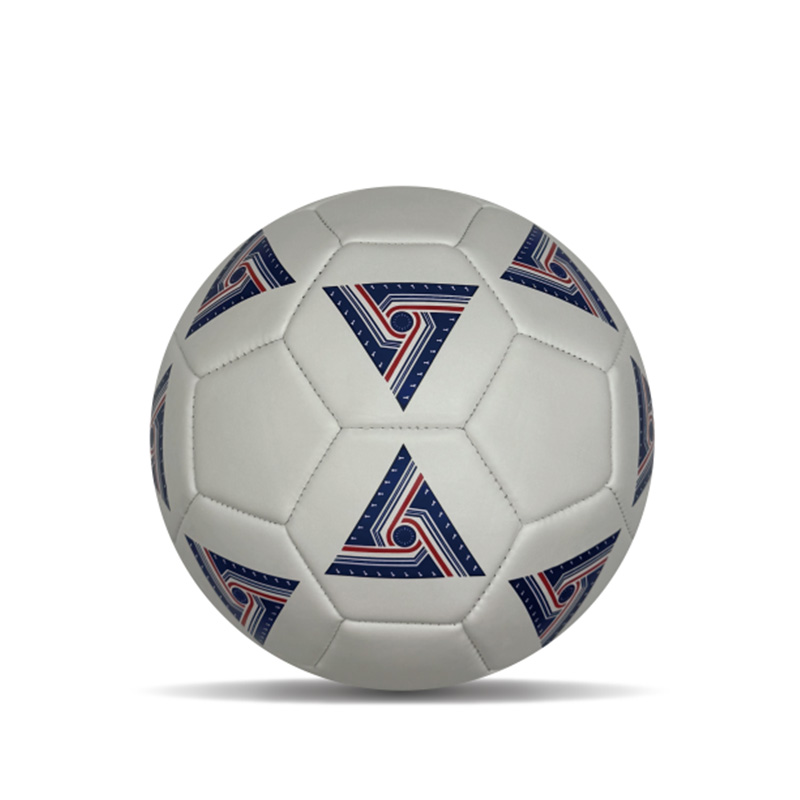 Non-Toxic PVC Leather Training Soccer Ball Size 3 for Youth and AdultsA soft-touch, non-toxic PVC training ball sized for younger players and suitable for indoor or school use. Its machine-stitched structure withstands repeated abuse during small-sided games and skill drills.View Product →
This non-toxic PVC training ball is sized for younger players and is built to handle the kind of repeated abuse that happens in an afternoon of small-sided games.
Common Mistakes When Buying a Size 3 Soccer Ball
One of the most common mistakes is choosing a size 4 ball because the child is tall for their age. Height is not the same as foot strength. A seven-year-old who is 130 cm tall still has a foot size that is closer to an adult's palm than an adult's shoe. A size 3 ball remains the correct choice until the child reaches about eight years old.
Another mistake is buying a ball that looks like a licensed cartoon character but has poor stitching. These novelty balls often have a soft or shiny surface that does not respond like a real ball. They are fun for decoration, but they will not help a child learn to kick accurately. If the ball has a printed design, check that the print is fused under the surface rather than simply painted on top.
A third mistake is ignoring the recommended pressure. A size 3 ball should be inflated to around 8.5 to 11.6 psi (0.6 to 0.8 bar). Too little pressure makes the ball heavy to kick; too much pressure makes it hard and hurts the child's foot. Use a pump with a pressure gauge and write the target number on the ball or the pump.
Why Size Matters: Safety and Skill Development
The size of a soccer ball is a safety feature as much as a performance feature. When a child uses a ball that is too large, they must compensate by extending the knee and ankle past their natural range. Over time, this can cause strain in the growth plates and create compensation patterns that are hard to correct later.
Skill development is also tied to size. A child who can control a size 3 ball will have better touch because the ball sits closer to the feet and responds predictably to light touches. The smaller diameter also makes it easier to juggle and receive on the thigh or chest. These are the foundational skills that every player needs.
Many youth soccer organizations use size 3 balls as the official match ball for under-eight games. This is not because they cannot afford bigger balls. It is because the whole game is more productive for children when the ball matches their bodies. There is more ball contact, fewer injuries, and a higher chance that the child actually enjoys the game.
Buying the right size 3 soccer ball is a simple decision once you know what to look for. Check the circumference and weight, choose PVC or PU based on the playing surface, verify that the bladder holds air well, and avoid decorative balls that cannot handle regular use. Whether it is for a first practice, a kindergarten class, or a youth team, a properly selected size 3 soccer ball gives young players the best possible start.