


 English
 русский
 Español
 Deutsch
 عربى
عربى 中文简体
中文简体
Content
A parent looking for a first soccer ball for a six-year-old often runs into the same confusing product labels: size 1, size 2, size 3, mini, skills ball, futsal trainer. They all look like soccer balls, but they are not interchangeable. A size 1 ball that fits a preschooler's foot can feel like a toy to an eight-year-old, while a size 3 ball used in a tight indoor space can be too lively for close control drills. The practical answer is that mini soccer balls are sized and built for specific jobs, and the right choice depends on the player's age, foot size, and the kind of touch work you want to support.
What Makes a Mini Soccer Ball Different?
A mini soccer ball is not simply a shrunken version of a size 5 match ball. Manufacturers adjust circumference, weight, panel count, and sometimes bounce characteristics to match younger players or specific training environments. The smallest models, often labeled size 1, are about 18 to 20 inches in circumference and weigh roughly 5 to 7 ounces. Size 2 balls move up to about 20 to 22 inches and 7 to 9 ounces. Size 3 balls, the largest of the common mini range, sit around 23 to 24 inches and 10 to 12 ounces.
Those numbers matter because a ball that is too heavy or too bouncy forces a child to stab at the ball rather than cushion it. A lighter mini ball rolls more slowly, sits closer to the ground, and gives young players more time to position their foot. Coaches also use mini balls for older players in technical sessions: smaller balls demand cleaner contact, so they expose heavy touches and poor body shape.
Mini Soccer Ball Size Chart and Real-World Uses
Size labels are not perfectly standardized across every manufacturer, but the ranges below reflect common industry practice. Use them as a starting point, then check the specific product page for exact circumference and weight.
| Size | Circumference | Weight | Typical Age | Best Use |
|---|---|---|---|---|
| Size 1 | 18–20 in (46–51 cm) | 5–7 oz (140–200 g) | 2–4 years | First touch, indoor play, hand-eye coordination |
| Size 2 | 20–22 in (51–56 cm) | 7–9 oz (200–250 g) | 4–7 years | Skills training, mini matches, kindergarten games |
| Size 3 | 23–24 in (58–61 cm) | 10–12 oz (280–340 g) | 6–9 years | Youth training, school sessions, small-sided games |
| Size 4 | 25–26 in (63–66 cm) | 12–14 oz (340–400 g) | 8–12 years | Futsal, low-bounce training, five-a-side |
| Size 5 | 27–28 in (68–70 cm) | 14–16 oz (400–450 g) | 12+ years | Official matches, adult training |
The table shows why a “mini” ball can mean different things. For a four-year-old, size 1 or size 2 is usually appropriate. For a seven-year-old in a club session, size 3 often makes more sense because it bridges the gap between a toy-like ball and a full-size match ball. For indoor futsal or hard-court training, a size 4 low-bounce ball can be the better tool even though it is not technically a mini ball.
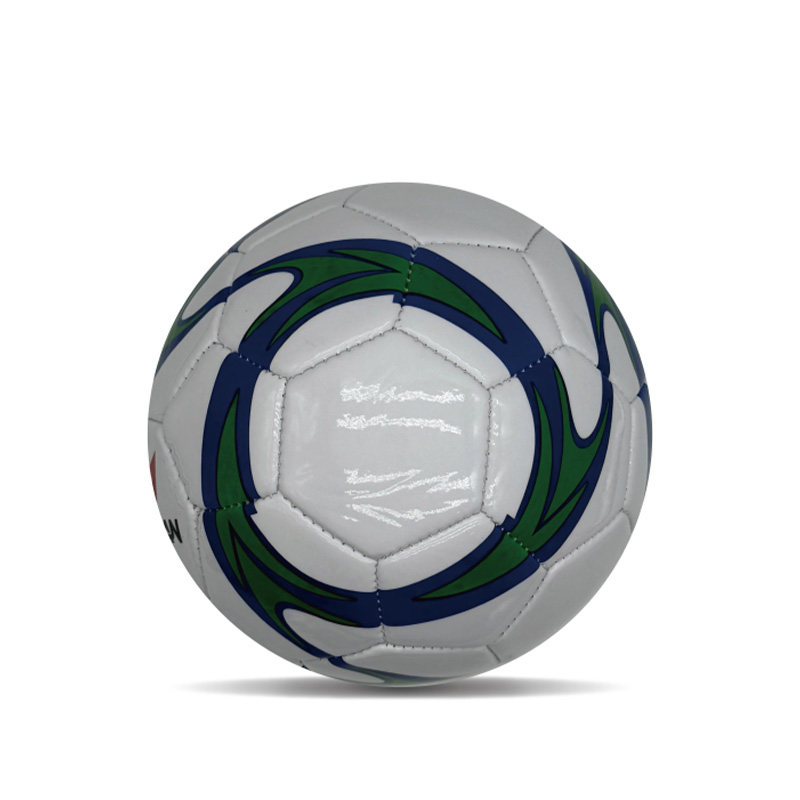 Machine Stitched PVC Mini Football Soccer Ball size 2 for Girls Boys KidsElevate your recreational playView Product →
For example, a size 2 machine-stitched PVC mini football is a common starting point for girls and boys who are learning to strike a ball cleanly without fighting an oversized or overly hard surface.
Material and Construction Choices That Affect Play
Two mini soccer balls can share the same size label and still behave very differently. The cover material and the way panels are joined determine how the ball feels, how it wears, and how much air it loses over time.
PVC vs. PU covers
PVC is the workhorse material for entry-level and school balls. It is durable, easy to clean, and cost-effective, which makes it a sensible choice for high-volume programs where balls are shared and stored outdoors. PU leather costs more but usually offers a softer touch, better grip in dry conditions, and a more consistent response off the foot. For young players, a soft PVC or PU cover reduces sting on cold days. For technical training with older players, PU is often worth the upgrade.
Machine-stitched vs. thermal-bonded
Machine-stitched balls have visible seams and a traditional feel. They are generally easier to repair and more affordable, and they handle rough outdoor surfaces well. Thermal-bonded balls use heat and adhesive instead of exposed stitching, creating a smoother, more water-resistant surface and a truer flight. On a mini ball, thermal bonding can make the ball feel slightly firmer, so it is not always the best first ball for a very young child. The panel count and stitching pattern also influence how the ball rolls and where the sweet spot sits.
How to Match a Mini Ball to the Player and Setting
The best mini soccer ball is the one that matches the player's current foot size and the space where they play. A ball that is too small encourages toe-poking. A ball that is too large or too hard encourages fear of striking it properly.
- For ages 2–4: Choose size 1 or a very light size 2 with a soft cover. The goal is fun, coordination, and safe contact.
- For ages 4–7: Size 2 is the sweet spot for most children. Look for a ball around 7–9 ounces so they can lift it and control it without strain.
- For ages 6–9: Size 3 supports real passing and shooting mechanics. It is also a good choice for school PE classes and small-sided games.
- For indoor or futsal training: A low-bounce size 4 ball keeps the game under control on hard courts and in tight spaces.
- For gift and promotional use: Mini balls with custom logos or bright prints work well as event giveaways, but check that the surface can hold the print without peeling.
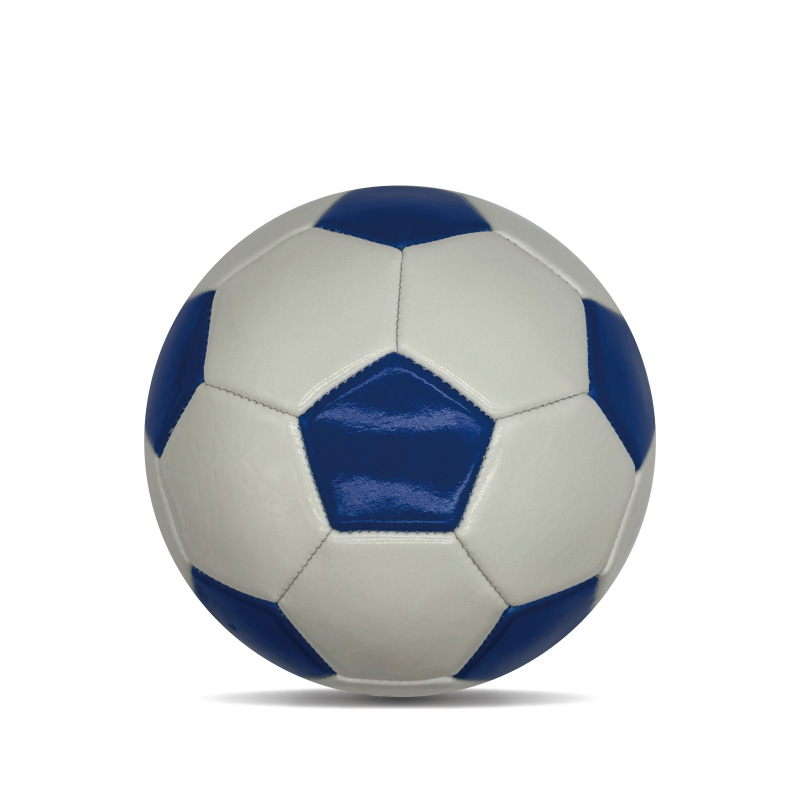 Machine Stitched Eco-Friendly PVC Football Size 3 Kids Soccer BallsWith the Machine Stitched Eco-Friendly PVC Football Size 3, a premium choice for players of all ages seeking unmatched durability, sustainability, and performance. Des...View Product →
A size 3 eco-friendly PVC kids soccer ball, for instance, gives six- to nine-year-olds a more substantial feel without jumping straight to an adult size 5.
For futsal courts or gym floors, a low-bounce option is often more useful than a standard mini ball. A size 4 low-bounce futsal ball reduces the exaggerated bounce that makes indoor control drills frustrating.
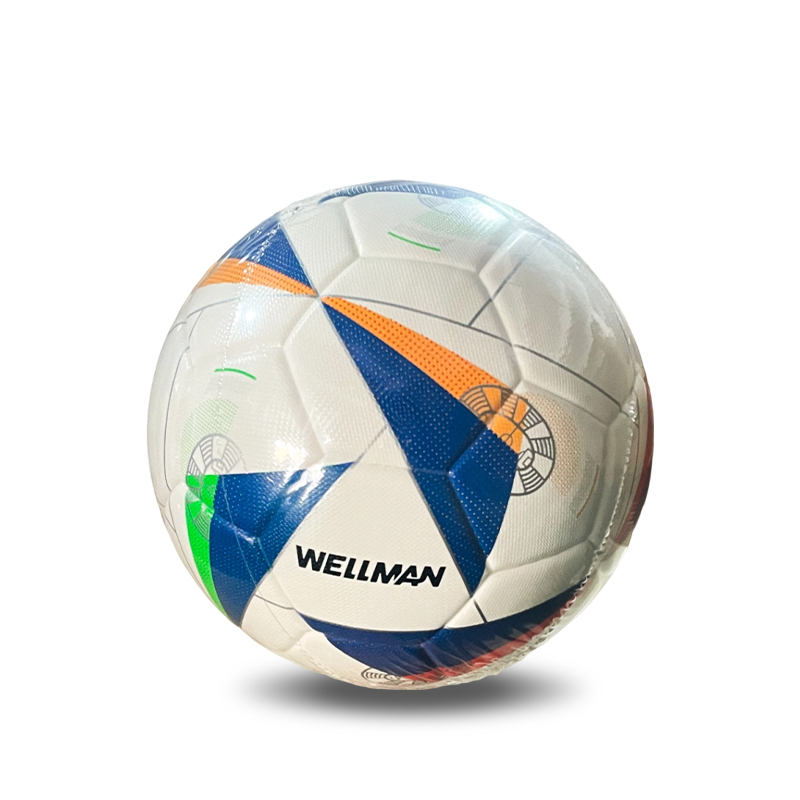 Baln De Futbol Low Bounce Talla 4 High Quality Material Customized Football, Suitable for WELLMAN Or CustomizedView Product →
Custom Mini Soccer Balls for Clubs, Schools, and Promotions
Mini soccer balls are popular for club merchandise, school rewards, camp giveaways, and brand promotions. Because they are smaller, they cost less to produce and ship than full-size balls, which makes them practical for bulk orders. Customization usually covers logo printing, color blocking, panel design, and packaging.
Before placing a bulk order, confirm four details: the exact circumference and weight tolerance, the cover material, the printing method, and the inflation level at packing. A ball that looks right in a sample photo can arrive feeling too hard or too soft if the bladder and inflation are not specified. Ask for a pre-production sample and test it with the intended age group. Also check whether the supplier can keep the same panel layout and color consistency across repeat orders, since small changes in material batch can affect feel.
A Quick Pre-Purchase Checklist
- Measure the player's foot and match it to the size chart, not just their age.
- Check the ball's weight range; a lighter ball is easier for young players to control.
- Choose a cover material based on surface and budget: PVC for durability, PU for touch.
- Decide between machine-stitched and thermal-bonded based on indoor or outdoor use.
- For bulk orders, request a sample, confirm print durability, and agree on inflation and packing standards.
- Store mini balls away from sharp objects and direct sun to extend cover life.
A mini soccer ball is a tool, not a trophy. When the size, weight, and cover match the player and the playing surface, young players learn faster and enjoy the game more. When they do not match, even a well-made ball can sit in the garage. Start with the player's foot and the space where they play, then choose the construction that fits the budget and the amount of use the ball will see.