


 English
 русский
 Español
 Deutsch
 عربى
عربى 中文简体
中文简体
Content
- What Is a PU Leather Volleyball Ball Made Of?
- PU Leather Volleyball Ball vs. PVC and Genuine Leather
- Quality Markers to Check Before Buying a PU Leather Volleyball
- Training, Match, and Outdoor Use: Match the Ball to the Court
- How to Make a PU Leather Volleyball Ball Last Longer
- Ordering Custom PU Leather Volleyballs: What to Specify
Every equipment manager who orders volleyballs for a school or club knows the moment of hesitation in front of the product catalog: PU leather, PVC, or genuine leather? The decision affects the budget, the players' forearms, and the ball's lifespan. In most cases, the best answer is a PU leather volleyball ball. Polyurethane leather gives players the soft, grippy surface they need for passing, setting, and serving, survives a full season of contact with floors and walls, and costs a fraction of top-grade genuine leather. That balance is why PU leather has become the standard material for training volleyballs and the foundation of many official competition balls.
What Is a PU Leather Volleyball Ball Made Of?
PU stands for polyurethane, a synthetic polymer applied to a fabric substrate to create a leather-like cover. In a volleyball, PU is never just a single surface layer. The cover usually has three layers, and each one changes the way the ball behaves on the court.
- Surface top coat. This layer controls grip, abrasion resistance, and moisture behavior. A matte or textured top coat stays grippy when hands sweat, while a glossy coat looks sharp but can slide in wet conditions.
- Foam padding. The layer under the top coat absorbs the impact of hard spikes. Thicker foam feels softer on the forearms, but it only works if the outer PU film keeps its shape after repeated compression.
- Fabric base. Usually polyester or a polyester-cotton blend, this woven substrate gives the ball structural strength and prevents the cover from tearing at the seams.
Panel construction matters as much as the material. A PU leather volleyball ball can be machine-stitched, which creates tough seams suited to daily training, or thermally bonded, where panels are fused by heat and pressure. Thermal bonding produces a rounder ball with no thread grooves to interrupt passing, which is why tournament-level designs increasingly use it. Surface texture adds another layer of choice: a honeycomb pattern creates a grid of grip points, a woven finish moves moisture away from the fingers, and a smooth printed surface reduces drag but needs dry hands.
PU Leather Volleyball Ball vs. PVC and Genuine Leather
The easiest way to understand why PU dominates the volleyball market is to compare it with the two alternatives you will meet in any supplier's catalog.
| Feature | PU leather volleyball ball | PVC volleyball | Genuine leather volleyball |
|---|---|---|---|
| Surface feel | Soft, warm, slightly tacky | Hard and slippery when polished | Supple but varies batch to batch |
| Durability | Resists scuffs and repeated training | Durable but stiffens in cold weather | Strong yet sensitive to moisture |
| Water resistance | Good with routine care | Excellent | Poor; absorbs water |
| Price | Moderate | Budget | High |
| Best use | Training and competition | Recreational play | High-level indoor matches |
PVC balls are cheaper, but their hard surfaces punish forearms and make setting less predictable. Genuine leather has a premium reputation, yet it absorbs sweat and water, needs careful conditioning, and carries a heavy price tag. A PU leather volleyball ball occupies the practical middle: it performs, lasts, and fits the budget of most teams and institutions.
Quality Markers to Check Before Buying a PU Leather Volleyball
Not every PU leather volleyball ball performs equally. When you order directly from a manufacturer, these five details separate a ball that lasts one season from one that lasts three.
- Size and weight. A standard size 5 volleyball must have a circumference of 65 to 67 centimeters and a mass of 260 to 280 grams. Ask for these numbers confirmed on the physical sample, not only on the data sheet.
- Bladder and air retention. A butyl bladder holds internal pressure much longer than a latex one, which matters for teams that top up balls every week. Official match play uses a pressure of 0.30 to 0.325 kilograms per square centimeter.
- Seam construction. Machine stitching is durable; thermal bonding is smoother. Check that stitches are uniform and that bonded edges show no gaps or lifted film after bending the ball.
- Surface grip. Rub the cover with a dry palm. A quality PU surface feels tacky rather than slippery, and a honeycomb or woven texture adds real grip when hands sweat.
- Bounce consistency. Drop the ball onto a hard court from about two meters. The rebound height should stay steady no matter which panel lands first; uneven rebound points to inconsistent thickness.
For tournament buyers, FIVB-approved size, pressure, and bounce behavior provide a useful baseline. Even if you only need training balls, holding a supplier to those tolerances guarantees a more uniform product for your players.
Training, Match, and Outdoor Use: Match the Ball to the Court
Training and school sessions
A training ball absorbs more abuse than any other volleyball in the gym. It gets spiked into the stands, tossed into equipment carts, and used by players whose technique is still developing. A durable soft premium PU leather training volleyball is built for that environment. Its cushioned outer layer takes the sting out of forearm passes for beginners, while the PU cover keeps its roundness after hundreds of impact cycles.
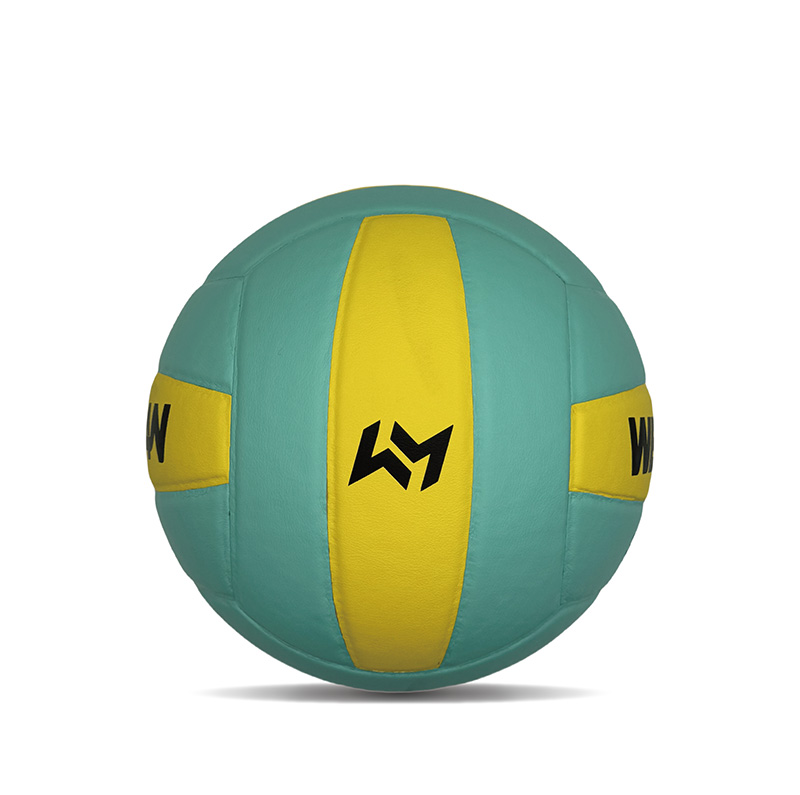 Soft Touch Volleyball Manufacturers, PU Leather Official Size 5 Volleyball BallChina Durable Soft Touch Premium PU Leather Official Size 5 Volleyball Ball Original Training Volleyball Manufacturers and Factory, Meido...View Product →
Official and club matches
When the score counts, players expect the same response from every ball. Thermal bonding removes the groove a stitch line creates around the equator, so flight stays true and the touch feels the same across the whole surface. A custom honeycomb-pattern thermal-bonded PU volleyball combines that seamless performance with a professional grip texture favored in high-level play.
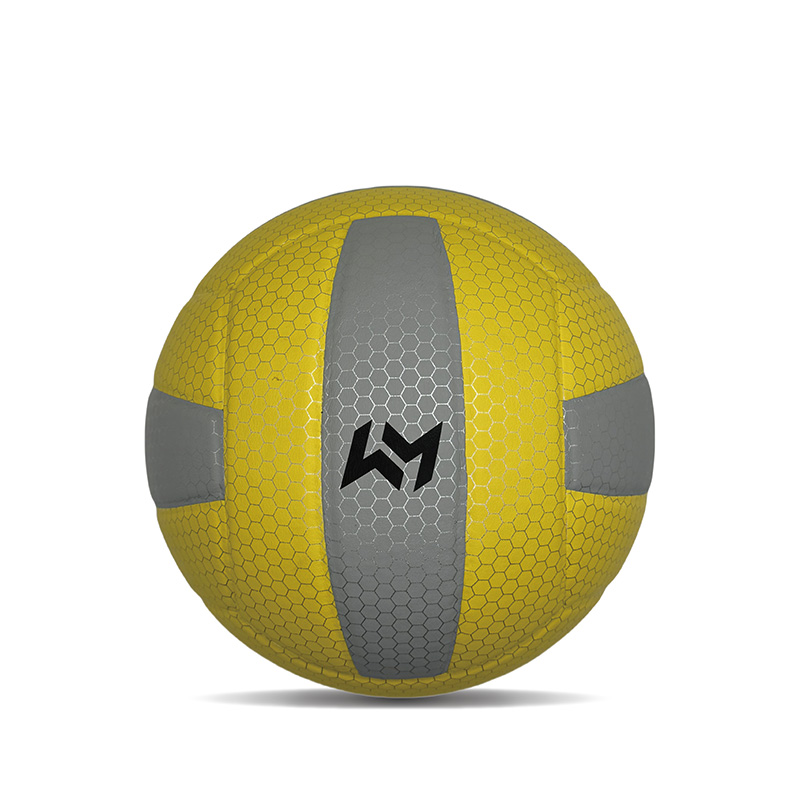 Thermal Bonded Volleyballs Manufacturers, Professional Official PU Volleyball baChina PU Material Honeycomb Pattern Thermal Bonded Professional Official Volleyball ball Manufacturers and Factory, Meidong Sports offer ...View Product →
Outdoor and high-humidity courts
Outdoor volleyball adds dust, sun, and sudden moisture. Smooth glossy surfaces become slippery the moment hands sweat, and dusty asphalt makes every pass less stable. A woven-pattern moisture-absorbing PU leather volleyball moves moisture away from the fingers and keeps grip on dusty concrete, making it a reliable choice for summer outdoor leagues and beach-adjacent training.
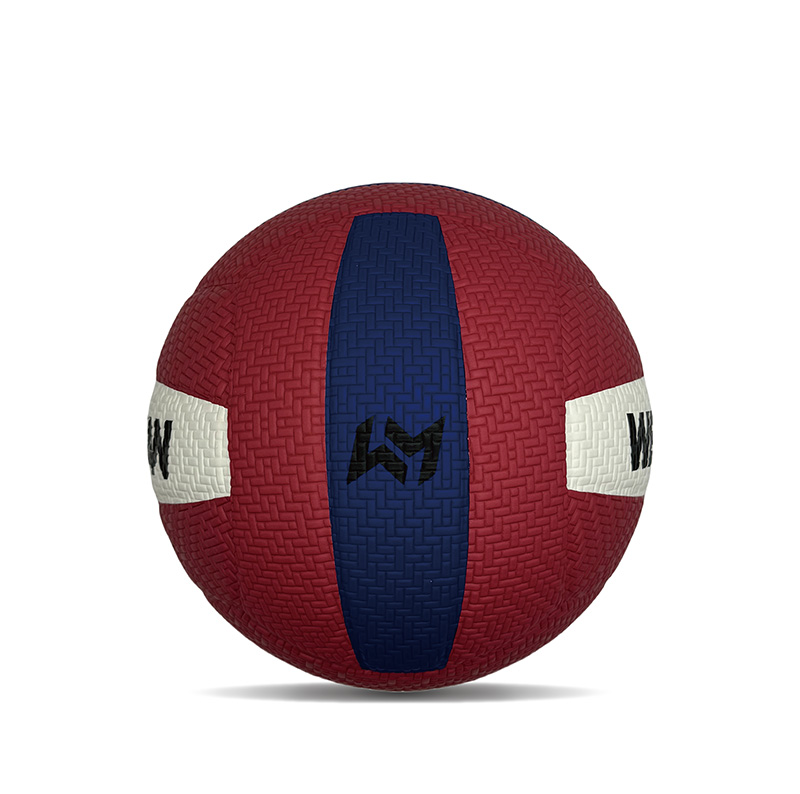 Wholesale Woven Pattern Moisture-Absorbing Sport Original PU Leather Volleyball China Woven Pattern Moisture-Absorbing Sport Original PU Leather Volleyball Ball Manufacturers and Factory, Meidong Sports offer Wholesal...View Product →
How to Make a PU Leather Volleyball Ball Last Longer
PU leather is resilient, but few balls die from a single bad incident. Most wear out through small, repeated mistakes: leaving them in a hot car, playing with low pressure, or stacking heavy objects on top of the equipment cart.
- Wipe the ball with a damp cotton cloth after each session. Mild soap is enough for mud or dark marks.
- Never soak the ball or leave it in standing water. Water weakens the seams and the edge of the PU film.
- Store balls indoors at room temperature. Heat accelerates drying and cracking; extreme cold makes panels hard and brittle.
- Check the air pressure weekly. An under-inflated ball flexes more on every hit, which is the fastest way to stress a PU cover.
- Avoid point loads. Sitting on a ball or pressing it against a rack edge leaves permanent dents that eventually split the PU layer.
For detailed cleaning routines, storage advice, and early signs of failure, the complete PU leather volleyball performance and care guide walks through what to do in each season.
Ordering Custom PU Leather Volleyballs: What to Specify
Teams, tournament organizers, and sports brands rarely buy plain balls. They order custom volleyballs with a club logo, colored panels, or branded retail packaging. When you buy from a manufacturer, you gain control over construction details that never appear in a retail listing.
Start by browsing the PU leather volleyball product range of the supplier, then confirm these points on the pre-production sample.
- Bladder type. Butyl is the right default for schools and clubs; latex is only worth considering for elite-level feel when a coach inflates the balls before every match.
- Panel count. An 8-panel design is the classic volleyball look, while an 18-panel construction improves roundness. Decide which image your program wants before sampling.
- Printing method. Silk-screen printing suits large runs with a single logo; heat transfer printing adds more colors. Both must be tested for scuff resistance on the PU surface.
- Weight tolerance. A serious manufacturer can hold size 5 balls between 260 and 280 grams with less than three grams of variation across the batch.
- Packaging. Custom cartons, retail display boxes, and single-ball gift packs all change the unit cost and the delivery timeline.
Finally, ask for a pre-production sample with the exact foam density, PU top coat, and print design you intend to order. Have actual players test it for a week. The ball that comes out of that week without losing shape, print, or grip is the ball you should order in volume.