


 English
 русский
 Español
 Deutsch
 عربى
عربى 中文简体
中文简体
Content
Volleyball is a dynamic sport that relies heavily on the interaction between the ball and the player. While many factors contribute to how a volleyball performs, one often overlooked aspect is temperature. For players, coaches, and enthusiasts using a PU Leather Volleyball, understanding how temperature impacts the ball’s performance is crucial for both gameplay and maintenance.
Understanding PU Leather Volleyballs
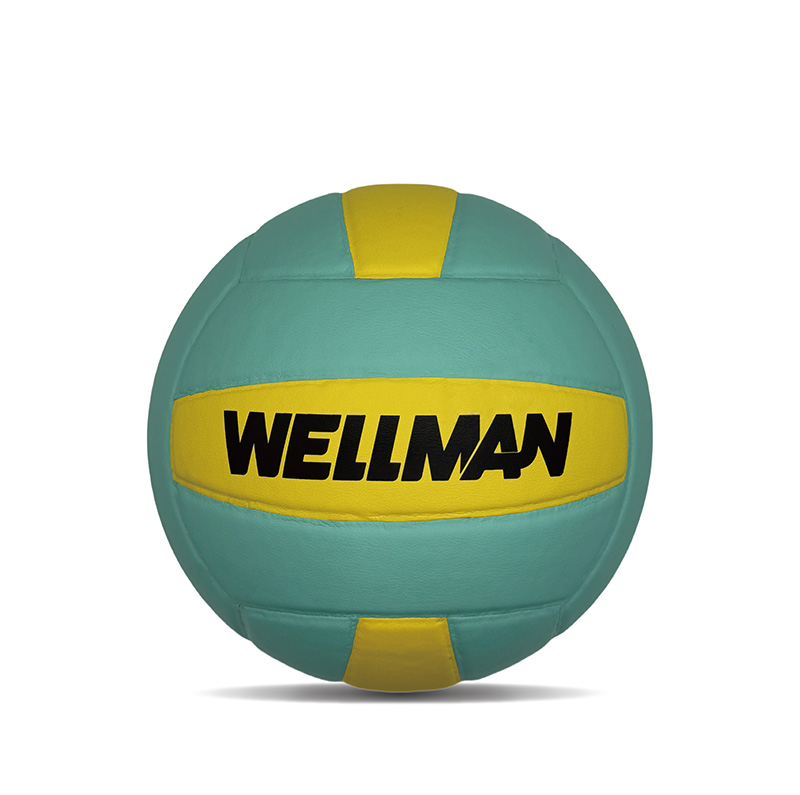
A PU Leather Volleyball is made from polyurethane (PU) synthetic leather, a material designed to mimic the texture and feel of natural leather while offering greater durability, water resistance, and lower cost. PU leather is commonly used for both indoor and outdoor volleyballs due to its consistent feel, lightweight nature, and resilience. Unlike genuine leather, PU leather is less prone to water absorption, making it suitable for varied environments. However, its synthetic nature also makes it sensitive to temperature fluctuations.
How Temperature Influences Volleyball Performance
Temperature can affect a volleyball in several ways, including air pressure, material flexibility, and surface texture. Each of these factors plays a role in how the ball behaves during a game.
1. Air Pressure and Ball Bounce
Most PU Leather Volleyballs are inflated to a recommended air pressure range, typically printed on the ball. Temperature can directly influence the internal air pressure:
- Cold Conditions: In lower temperatures, the air inside the ball contracts, reducing internal pressure. This can make the ball feel softer and less responsive when hit. Players may notice reduced bounce and slower ball speed during spikes and serves.
- Hot Conditions: High temperatures cause air to expand, increasing internal pressure. The ball may feel firmer, with a higher bounce. Overinflation due to heat can lead to an uncomfortable or unpredictable ball, potentially increasing the risk of injury.
Players should always check and adjust air pressure according to ambient temperature to maintain consistent performance.
2. Material Flexibility
PU leather, while more resistant than genuine leather, can stiffen in cold weather. When the material becomes less flexible:
- It absorbs less impact, making the ball feel harder to the touch.
- Ball control during passes, serves, and spikes can be more challenging.
Conversely, in very hot conditions, PU leather can become slightly softer and more pliable, which may improve grip but also increase wear over time. Extended exposure to high heat, such as direct sunlight, may accelerate material degradation, causing cracks or peeling over time.
3. Surface Texture and Grip
The outer layer of a PU Leather Volleyball has a textured surface to improve grip and control. Temperature affects how this texture interacts with the player’s hands:
- Cold weather can make the surface feel slicker, especially if the ball is slightly damp from condensation.
- Hot weather, especially with humidity, may increase surface tackiness, improving grip but potentially making the ball feel sticky during intense play.
Proper maintenance, such as wiping the ball dry and storing it at moderate temperatures, helps preserve optimal grip.
Practical Tips for Playing with PU Leather Volleyballs in Different Temperatures
Understanding the impact of temperature is important not only for gameplay but also for the longevity of the volleyball. Here are practical recommendations:
- Check and Adjust Inflation: Use a pressure gauge to maintain proper air pressure, especially when moving between indoor and outdoor environments or during seasonal changes.
- Acclimate the Ball: If the volleyball has been stored in extreme temperatures, allow it to reach room temperature before playing. This ensures predictable bounce and handling.
- Store Properly: Avoid leaving the volleyball in direct sunlight, near heaters, or in freezing conditions. Use a ventilated, cool storage area to prolong lifespan.
- Inspect Regularly: Look for signs of cracking, peeling, or deformation, particularly after extreme weather exposure. Replace the ball if performance is compromised.
- Use Weather-Appropriate Balls: For consistent outdoor play in extreme climates, consider balls specifically rated for cold or hot weather conditions.
The Impact on Gameplay
Temperature-related changes in a PU Leather Volleyball can influence gameplay in subtle but meaningful ways:
- Serve Speed and Accuracy: Softer balls in cold weather may travel slower, requiring adjustments in force and trajectory.
- Spike Performance: A firmer ball in warm conditions may rebound faster, increasing spike speed but reducing control for beginners.
- Passing and Setting: Material stiffness or softness can affect feel during passes, setting, and digs. Teams may need to adjust hand positioning and technique.
Being aware of these effects allows players to adapt their strategies, ensuring fair and consistent play regardless of temperature.
Conclusion
Temperature does indeed affect the performance of a PU Leather Volleyball. Both the internal air pressure and the properties of the PU leather material can change with cold or hot conditions, influencing bounce, grip, and overall handling. By understanding these effects and taking proper precautions—such as adjusting air pressure, storing the ball correctly, and acclimating it before play—players can maintain optimal performance and extend the life of their volleyball.
For anyone serious about volleyball, paying attention to temperature is not just a minor detail—it can be the difference between smooth gameplay and frustrating inconsistencies. With proper care and awareness, a PU Leather Volleyball can perform reliably in a wide range of conditions, making it a versatile choice for players at all levels.