


 English
 русский
 Español
 Deutsch
 عربى
عربى 中文简体
中文简体
Content
The Science Behind the Grip: A Material Evolution
The superior grip of a leather basketball over time is not magic; it's a science of material interaction and wear. A new leather basketball feels smooth, almost slippery, because its surface pores are sealed and its full-grain leather hide is uniformly tight. With repeated use, a transformative process occurs. The leather's fibrous structure begins to soften and flex. The oils from your hands, combined with the natural friction from dribbling and passing, open up the microscopic pores in the leather. This creates a textured, almost "suede-like" surface that dramatically increases the coefficient of friction between the ball and your fingertips. Essentially, the ball molds itself to the stresses of the game, developing a unique topography that enhances control. Unlike synthetic composites, which have a consistent, manufactured texture that can wear down, genuine leather evolves, developing a richer and more tactile character through use.
The Break-In Process: From Slick to Sticky
Breaking in a leather basketball is a crucial ritual for serious players. This period involves systematically conditioning the leather to reach its peak performance state. It involves more than just playing; it requires deliberate action to accelerate the natural softening and pore-opening process. Rubbing the ball down with a clean, soft cloth helps distribute natural oils and remove initial factory sealants. The primary catalyst, however, is use. Every dribble, pass, and shot compresses the leather, works the fibers, and warms the material, making it more pliable. The goal is to achieve an even break-in across all panels, ensuring a consistent grip no matter how the ball rotates in your hand. A properly broken-in ball develops a distinct, darkening patina—a visual testament to its improved functionality.
Key Stages of the Break-In
- The Initial Phase (Slick Surface): The ball is factory-fresh. The leather is stiff, and the surface may have a slight glossy coating. Grip is minimal and reliant on the pebbling pattern alone.
- The Working Phase (Softening): With regular use, the leather absorbs moisture and oils, losing its stiffness. The pebbling becomes more pronounced as the leather around it compresses.
- The Maturity Phase (Optimal Grip): The leather is fully supple, with an open pore structure. The ball feels "soft" to the touch and provides exceptional grip and "catch" in the hand, even with minimal pressure.
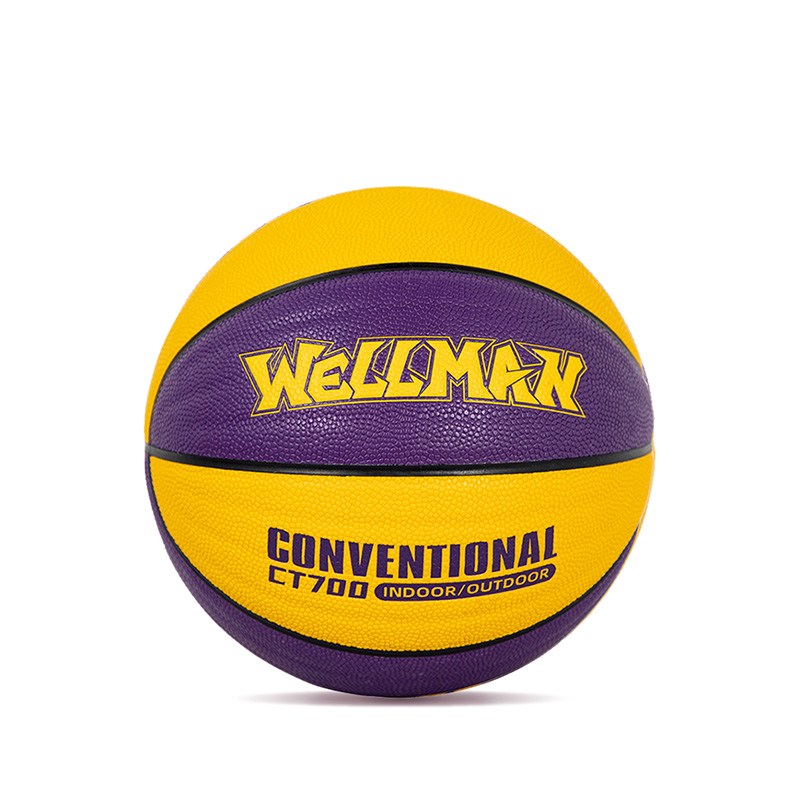
Leather vs. Synthetic: A Fundamental Difference
The aging process of leather is fundamentally different from that of composite or rubber basketballs. Synthetic materials are designed for durability and consistency, but their texture is applied rather than inherent. Over time, this molded texture can actually wear smooth, especially on abrasive outdoor surfaces, leading to a loss of grip. Leather, as a natural, anisotropic material, improves with controlled wear. Its performance curve ascends with use until it reaches a plateau of optimal feel. The following table highlights the core differences in how grip develops:
| Feature | Leather Basketball | Synthetic Composite Basketball |
| Grip Development | Improves with use, peaking after break-in. | Best when new, can degrade over time. |
| Material Response | Fibers soften and pores open; material conforms to use. | Surface texture erodes; material remains structurally static. |
| Primary Grip Source | The leather's evolved surface and moisture absorption. | Manufactured pebble pattern and surface coating. |
| Effect of Moisture | Can improve grip (absorbing light sweat) but harmful if soaked. | Often becomes extremely slippery when wet. |
| Long-Term Trajectory | Gets better, then stabilizes at a high-performance level. | Gets worse, especially with outdoor or heavy use. |
Maintenance: Preserving the Enhanced Grip
The improved grip of a seasoned leather basketball is an asset that requires proper care to maintain. Neglect can reverse the progress made during the break-in period. The core principles are protection from extreme elements and gentle cleaning. A leather basketball is an indoor tool; using it on asphalt or concrete will scuff and deaden the leather, flattening the precious pebbling and clogging the pores with abrasive material. To clean, use a soft, slightly damp cloth to wipe away dust and salt from sweat. Never soak the ball or use harsh chemical cleaners, which can strip the leather of its natural oils. After cleaning or if the ball feels dry, a tiny amount of a specific leather conditioner (formulated for sporting goods) can be applied sparingly and buffed in to restore suppleness. Proper storage away from direct sunlight, extreme heat, or cold is also essential to prevent the leather from drying out, cracking, or becoming brittle.
Essential Maintenance Do's and Don'ts
- DO wipe the ball down with a dry or barely damp microfiber cloth after each use.
- DO store the ball in a cool, dry place at room temperature.
- DO use a leather-specific conditioner very sparingly if the ball seems overly dry.
- DON'T use the ball outdoors on asphalt, concrete, or rough surfaces.
- DON'T submerge the ball in water or use soap, solvents, or household cleaners.
- DON'T store the ball in a damp gym bag, car trunk, or near a heat source.
The Patina of Performance: More Than Just Grip
Ultimately, the improving grip of a leather basketball represents a synergy between athlete and equipment. The ball becomes an extension of the player's hand, with every scrape and dark spot telling the story of its use. This developed grip translates to tangible on-court benefits: increased confidence in ball handling, finer control on passes, and a more consistent release on shots. The reduced need to squeeze the ball tightly lessens hand fatigue and allows for a more fluid, relaxed playing style. This relationship, forged through the physical process of breaking in the leather, is why the leather basketball remains the gold standard for the indoor game, prized not just for its initial quality but for its unique ability to get better—to truly grip—over time.