


 English
 русский
 Español
 Deutsch
 عربى
عربى 中文简体
中文简体
Content
You’ve seen it on outdoor courts: a rubber basketball that starts off tacky but turns slick after a few months of asphalt friction. Meanwhile, a good composite PU leather basketball can keep its bite through hundreds of rough games. The difference isn’t magic—it’s materials, construction, and a little buyer knowledge. For anyone who plays seriously on mixed surfaces, a quality PU leather basketball is the clear upgrade over rubber.
What a Leather Basketball Actually Means
When you see “leather basketball” today, it’s almost never the full‑grain leather of vintage balls. Modern performance basketballs use composite PU (polyurethane) leather. This synthetic material layers a durable fabric backing, a shock‑absorbing foam mid‑layer, and a textured PU surface. The result is a ball that mimics the soft touch of natural leather but adds water resistance, abrasion tolerance, and a more consistent surface texture. You get the hand feel you want without the breaking‑in period or heavy maintenance of traditional leather.
PU Leather vs. Rubber: What Actually Separates Them
At first glance, prices can look similar—so the real differences show up in play. Here’s what matters:
- Grip evolution: Rubber balls rely on a pebbled surface that wears smooth. PU leather balls use a moisture‑absorbing topcoat and deep channel textures that actually improve when hands sweat slightly, giving a more secure one‑handed control.
- Feel and feedback: A stiff rubber shell bounces hard and feels hollow. A properly foamed leather basketball provides dampened, controlled rebound that lets shooters feel the backspin.
- Outdoor life: On rough concrete, rubber eventually cracks. Composite leather’s multi‑layer build resists peeling and blistering far longer because the abrasion hits the cover, not the carcass.
- Cost over time: A cheap rubber ball might last one season; a well‑built PU leather ball often lasts three or more for the same player, making its annual cost lower.
While PU leather provides a clear upgrade from rubber, understanding finer material differences is key. For a deeper look at how PU compares to microfiber, see our detailed comparison of PU vs microfiber.
| Trait | PU Composite Leather | Molded Rubber |
|---|---|---|
| Grip in dry hands | Moderate‑high | Moderate |
| Grip with moisture | Improves | Often worsens |
| Cushion on catch | Soft, dampened | Hard, springy |
| Surface wear after 6 months outdoors | Fading, minimal peeling | Smooth spots, cracking |
How Composite Construction Beats the Outdoor Concrete
Outdoor courts are the ultimate test. A single‑layer rubber ball puts all the punishment directly onto the air‑holding bladder. A quality PU leather ball spreads the impact across three layers: the abrasion‑resistant cover, a rebound‑tuning foam sheet, and a reinforced inner carcass. This laminated design is why a composite leather basketball can survive hundreds of outdoor hours without losing shape or developing dead spots. Look for balls that specify a butyl bladder and a minimum 1.2 mm foam backing—those specs correlate directly with long‑term roundness and consistent bounce on rough surfaces.
Simple Care That Stretches Your Investment
Even the best leather basketball needs a few minutes of attention after play. Wipe off court dust with a slightly damp cloth—don’t soak the surface. Store the ball indoors out of direct sun, because UV and heat degrade the PU topcoat faster than play does. Inflate to the recommended pressure (usually 7–9 psi) and check it weekly; an under‑inflated ball flexes the cover excessively and leads to delamination. For a full season‑by‑season maintenance routine, you can read how to maximize the life of your leather basketball.
Why Pros Still Trust Leather Feel
Even as composite materials took over professional leagues, the core asset has always been predictable touch. A leather basketball’s microfiber‑like grain and foam backing give shooters a consistent release point and let handlers feel the ball without squeezing hard. This confidence translates directly into fewer fumbled passes and quicker spin recognition on jumpers. The acceptance of PU leather at the highest levels isn’t about tradition; it’s about milliseconds of feedback that rubber simply cannot replicate. See why leather remains the gold standard in competitive play.
One Expert‑Tested Option for Players Who Want More
Not every composite leather basketball is built the same. When you’re ready to move past a generic rubber ball, look for a model that pairs a moisture‑absorbing PU cover with a foamed inner layer and a butyl bladder—the combination that keeps grip alive on dusty courts and holds air through temperature swings. A durable composite leather training ball with deep channel grooves and a 1.4 mm foam backing, for instance, has proven itself on outdoor concrete and indoor hardwood alike. Browse our leather basketball collection to compare options that fit your surface and playing frequency.
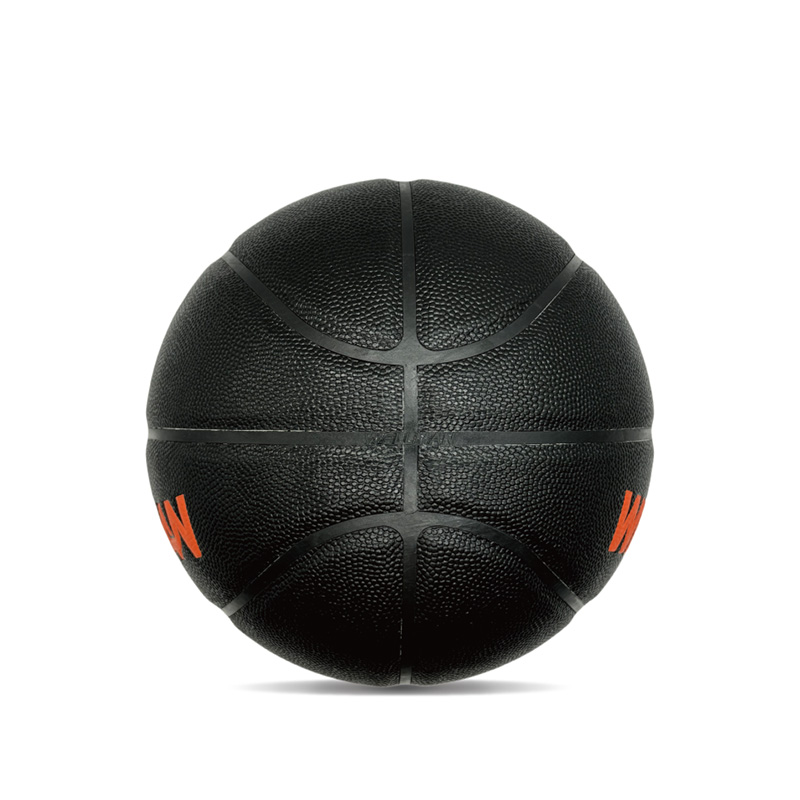 Wholesale Classical Design Durable Composite PU Leather Basketball for Training China Classical Design Durable Composite PU Leather Basketball for Training Game Manufacturers and Factory, Meidong Sports offer Wholesal...View Product →