


 English
 русский
 Español
 Deutsch
 عربى
عربى 中文简体
中文简体
Content
- 1. Manufacturing Process: Differentiated Control from Raw Materials to Finishing
- 2. Raw Materials: The Fundamental Choice Between Elasticity and Stability
- 3. Molding Process: Details Determine Performance Boundaries
- 4. Usage Scenarios: Precisely Adapted to Different Needs
- WELLMAN: Comprehensive Production Capabilities, Empowering Diverse Football Needs
The popularity of football has spurred a demand for specialized balls with different performance characteristics. While both standard footballs and low-bouncing balls fall under the category of footballs, they differ significantly in manufacturing processes, core performance, and usage scenarios. As a professional company deeply rooted in the sporting goods industry, Hangzhou Meidong Sporting Goods Co., Ltd.'s brand WELLMAN, with its mature production system, can precisely control the core characteristics of both types of footballs, providing global users with high-quality products suitable for different scenarios.
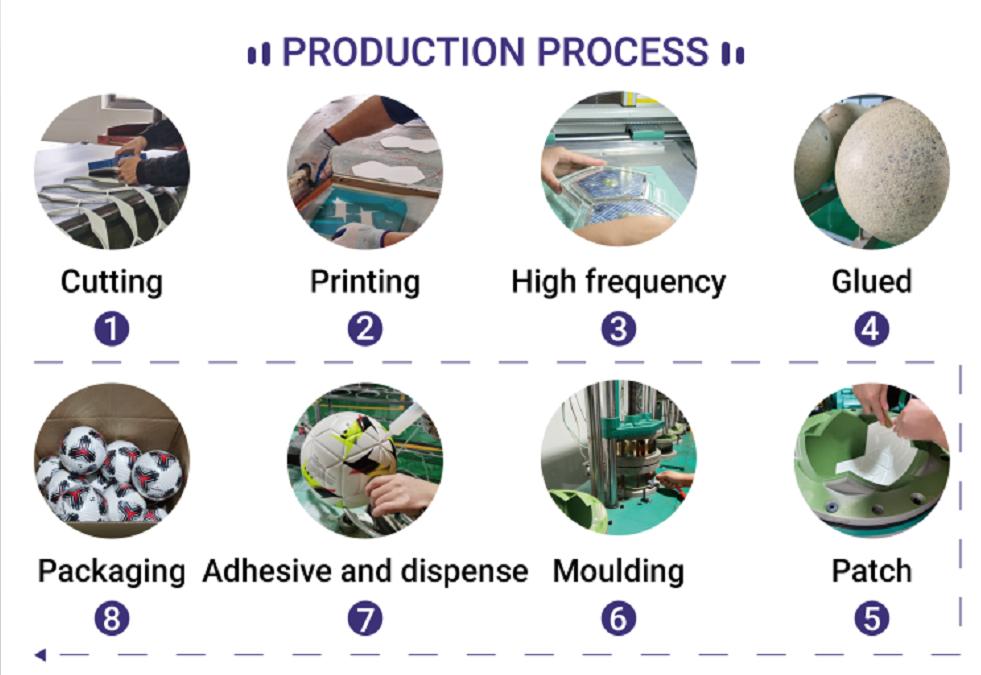
1. Manufacturing Process: Differentiated Control from Raw Materials to Finishing
The performance differences in footballs stem from the precise differentiation in the manufacturing process. Standard footballs and low-bouncing balls exhibit distinct characteristics in raw material selection, inner bladder technology, and outer skin treatment. These differences directly determine their final athletic performance.
2. Raw Materials: The Fundamental Choice Between Elasticity and Stability
Standard soccer balls prioritize “high elasticity and strong touch,” thus focusing on elasticity and resilience in the selection of key materials. The inner bladder is often made of natural latex, a material with excellent resilience and airtightness, quickly returning to its original shape after impact, providing players with clear ball feedback. The outer skin commonly uses PU (polyurethane) or PVC (polyvinyl chloride), with mid-to-high-end products often using PU due to its soft texture and high wear resistance, suitable for various surfaces such as grass and synthetic surfaces.
Low-rebound balls prioritize “controllability and low rebound,” with raw material selection focusing more on stability. The inner bladder typically uses butyl rubber or synthetic rubber, whose elasticity coefficient is much lower than that of natural latex. After impact, the rebound height is low and the speed is slow, facilitating precise player control. The outer skin often uses high-density PVC or wear-resistant fabric, enhancing the ball’s impact resistance and improving friction during ball control through special texture designs, making it suitable for indoor stadiums, wooden floors, and other special surfaces.
3. Molding Process: Details Determine Performance Boundaries
The molding process of ordinary soccer balls prioritizes “uniform elasticity.” After inflation, the inner bladder undergoes multiple pressure tests to ensure consistent elasticity throughout the ball. The outer skin is often joined using heat bonding or hand stitching. Hand-stitched soccer balls have finer stitches, better air tightness, and more even elasticity transmission, and are commonly used in professional competitions. Heat-bonded soccer balls, with their high production efficiency and controllable costs, have become the mainstream choice for mass training and school PU Leather Thermal Bonded Soccer Ball.
The core of the molding process for low-rebound balls is “stable performance.” During the inner bladder manufacturing stage, the rebound coefficient is precisely controlled by adjusting the rubber density, with an error margin of less than 5%. High-pressure bonding technology is used to bond the outer skin to the inner bladder, preventing localized deformation under stress and ensuring consistent feedback with each touch. Some low-rebound balls also have an internal cushioning layer to further reduce bounce speed and improve ball control stability.
4. Usage Scenarios: Precisely Adapted to Different Needs
Based on the differences in manufacturing processes, ordinary soccer balls and low-rebound balls have clearly defined usage scenarios, respectively meeting the needs of professional competitions, daily training, and special fields.
Standard Footballs: The Mainstay of Mass Sports and Professional Competitions
Standard footballs, with their excellent elasticity and versatility, have become the most widely used type of sport. In professional competitions, FIFA-certified standard footballs (such as Wellman’s F series) adapt to the high-speed, high-intensity demands of football matches through precise weight and elasticity control, ensuring the accuracy of players’ passing and shooting. In daily training and school football, the more cost-effective standard football meets the needs of group activities and basic skills practice, consistently performing well on both grass football fields and community synthetic surfaces.
Low-Bouncing Balls: The Exclusive Choice for Special Scenarios and Precision Training
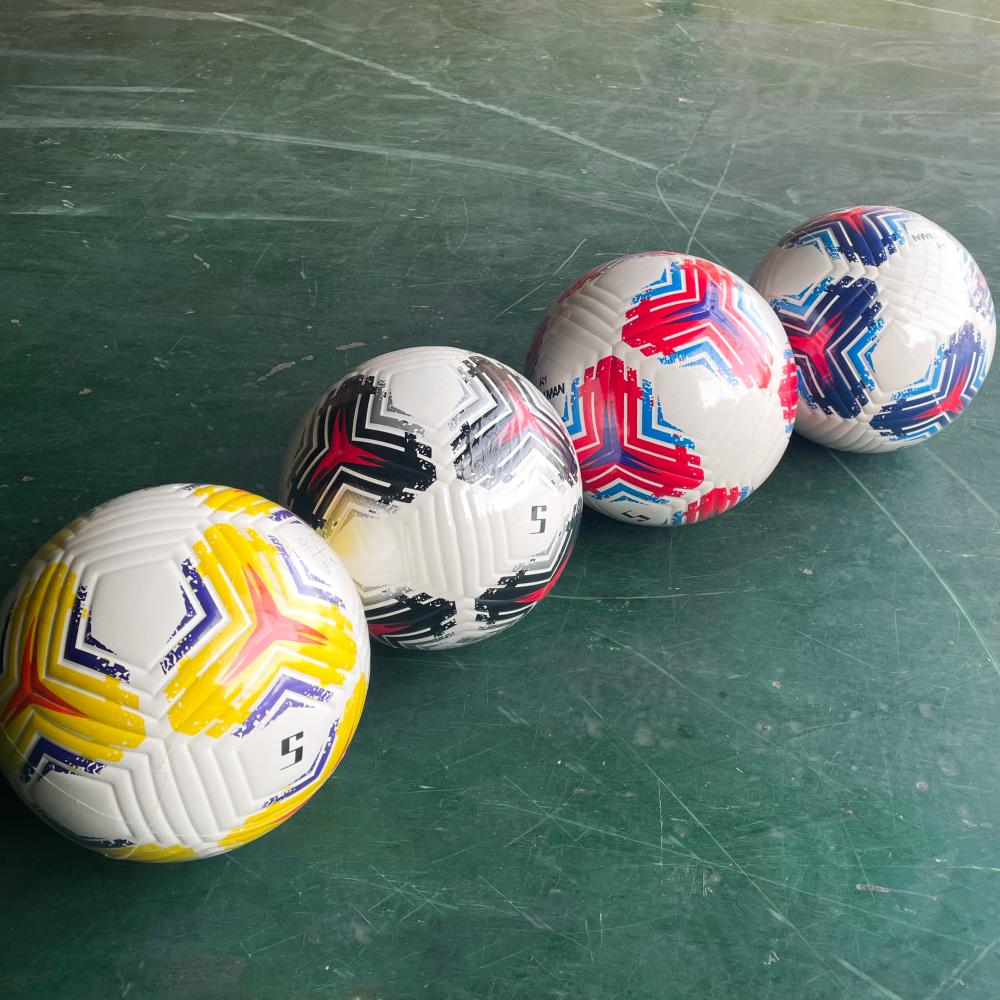
Low-bouncing balls are used in more targeted scenarios. In indoor soccer matches, due to the limited space and numerous obstacles, the low-bouncing characteristics of low-bouncing balls effectively reduce unexpected ball bounces, improving the smoothness of the game. In youth soccer training, low-bouncing balls help children control the ball more easily, reducing the difficulty of learning techniques and enhancing training confidence. Furthermore, in soccer skill training (such as ball control and dribbling), low-bouncing balls are also an important tool for professional players to improve their finesse.
WELLMAN: Comprehensive Production Capabilities, Empowering Diverse Football Needs
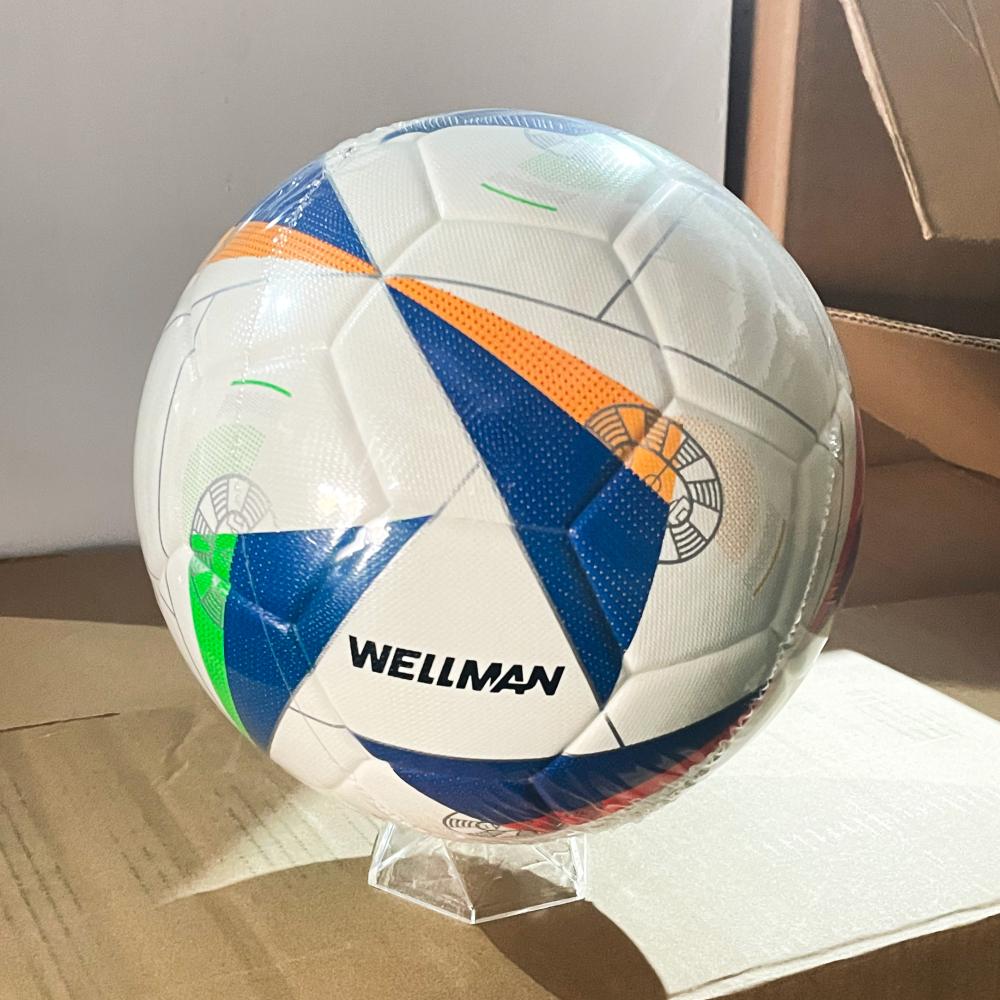
As the core brand of Hangzhou Meidong Sporting Goods Co., Ltd., WELLMAN has been deeply involved in football production for over a decade, establishing a comprehensive production system covering both standard and low-rebound footballs. The company boasts a professional materials R&D laboratory, capable of customizing raw material formulas to meet diverse needs. Whether it’s the high-elasticity natural latex bladder required for standard footballs or the precise rebound coefficient control for low-rebound balls, standardized production is achieved.
In terms of quality control, every WELLMAN football undergoes 12 rigorous processes, including elasticity testing, abrasion resistance testing, and airtightness testing, ensuring compliance with international standards. For diverse customer needs, the brand also offers personalized customization services, adjusting product parameters based on field characteristics and target users to suit the needs of schools, clubs, event organizations, and other clients.
From mass fitness to professional training, from outdoor fields to indoor stadiums, WELLMAN’s professional production capabilities and comprehensive product portfolio provide strong support for the popularization of football. Currently, the brand’s products are sold in over 20 countries and regions worldwide, becoming a trusted choice for numerous sports organizations and football enthusiasts.