


 English
 русский
 Español
 Deutsch
 عربى
عربى 中文简体
中文简体
For basketball enthusiasts, choosing the right basketball for yourself lies in understanding its "inner skeleton" and "outer skin" — the inner tube and leather. Whether it's casual shooting, street ball, or professional competition, the leather material and inner tube configuration of a basketball directly determine its feel, durability, and performance. Many people fall into the trap of prioritizing appearance when purchasing, but overlook these two core components, which are the key to distinguishing between professional and regular basketballs. Today, we will break down the material differences between the two to help you accurately match your needs and avoid wasting money.
1. First, Understand the Basics: The Core Structure of a Basketball
The core structure of a standard basketball, from the inside out, mainly consists of two parts: the inner tube (including the bladder) and the leather surface. The two work together to determine the basketball's performance. As the "inner support" of the basketball, the inner tube is responsible for maintaining the ball's roundness, ensuring rebound stability and air tightness; the leather is the "outer skin" directly contacted by players, affecting grip, sweat absorption, and wear resistance. Basketballs with different positioning have clear distinctions in the material selection of these two components, among which the difference between regular basketballs and professional basketballs is the significant.
2. Leather Selection: Dual Adaptation to Feel and Scenario
Leather is the "face" of a basketball and the factor affecting ball control experience. According to usage scenarios and performance needs, there are obvious differences in the leather material selection between professional and regular basketballs, which we can quickly distinguish through material characteristics and applicable scenarios.
- Regular Basketballs: Practicality First, Balancing Wear Resistance and Cost-Effectiveness
Regular basketballs are mainly oriented to scenarios such as daily leisure, street entertainment, and entry-level training. Their core needs are durability, easy maintenance, and cost-effectiveness, so ordinary PU leather has become the mainstream choice. Ordinary PU leather (polyurethane material) has the characteristics of waterproof, wear-resistant, and anti-mildew. Its feel is smoother than that of rubber surface, and it is suitable for various indoor and outdoor venues, whether it is a community cement court, a street plastic court, or an indoor simple court.
Compared with professional-grade leather, ordinary PU leather has lower cost and does not require complex maintenance. Even if it is dusty or slightly worn, it will not significantly affect the user experience. It is very suitable for students, entry-level enthusiasts, and casual players who pursue practicality. It should be noted that ordinary PU leather has poor sweat absorption and may slip after long-term sweating, making it more suitable for short-term leisure entertainment rather than high-intensity confrontation.
- Professional-Grade Basketballs: Feel is King, Adapted to High-Intensity Competition
Professional-grade basketballs are oriented to professional competitions and advanced training. Their core needs are feel, accurate ball control feedback, and stable performance. Therefore, moisture-absorbing PU leather or microfiber PU leather are selected, and some high-end game balls also use natural cowhide material.
The core advantage of moisture-absorbing PU leather is sweat absorption and anti-slip. Its surface is delicate and soft, which can quickly absorb the sweat from the player's palms. Even if there is a lot of sweat during high-intensity confrontation, it can maintain a stable grip, avoiding affecting passing and shooting accuracy due to slipping. Its feel is close to natural leather, making it a common material for mid-to-high-end professional balls. However, its disadvantage is general wear resistance, which is only suitable for flat venues such as indoor wooden floors and professional plastic courts, and is not recommended for rough cement courts.
Microfiber PU leather is currently the "top configuration material" for professional-grade basketballs. It is composed of ultra-fine fiber base cloth combined with high-performance PU coating. Its feel delicacy and sweat absorption are better than ordinary moisture-absorbing PU. At the same time, it has stronger wear resistance, tear resistance, and air permeability. Even with long-term high-intensity use, it can maintain stable performance. For example, the official game balls of professional competitions such as WCBA and European Basketball League mostly use microfiber PU leather, which can fully meet the needs of professional players for ball control accuracy and feel feedback. In addition, as a traditional high-end choice, natural cowhide material becomes softer with the increase of use times, providing an ball control experience, but it is expensive and has poor wear resistance, only suitable for top indoor competitions.
3. Inner Tube Selection: Inner Support Determines Rebound and Stability
If leather is the "skin" of a basketball, then the inner tube (including the bladder) is the "heart" of the basketball. It directly determines the basketball's rebound force, air tightness, and roundness stability, and is also the core component that widens the gap between professional and regular basketballs. There are clear distinguishing standards for the inner tube bladder materials of regular and professional basketballs.
- Regular Basketballs: Rubber Bladder Inner Tube, Focusing on Practicality and Durability
The inner tube bladders of regular basketballs adopt rubber bladders combined with basic rubber inner tubes. Their core advantages are low cost, strong toughness, and wear resistance, which can meet the rebound needs of daily leisure use. The air tightness of rubber bladders is general, requiring regular inflation, but for casual players, it does not need frequent maintenance and has outstanding cost-effectiveness.
It should be noted that the rebound force of the rubber bladder inner tube is relatively stiff, and the feedback is not delicate enough. After long-term use, it is prone to deformation and accelerated air leakage. It is suitable for people who play occasionally and have no high requirements for rebound accuracy. In addition, some low-end regular basketballs use recycled rubber inner tubes to reduce costs, which will greatly reduce the feel and rebound performance, so attention should be paid to avoiding them when purchasing.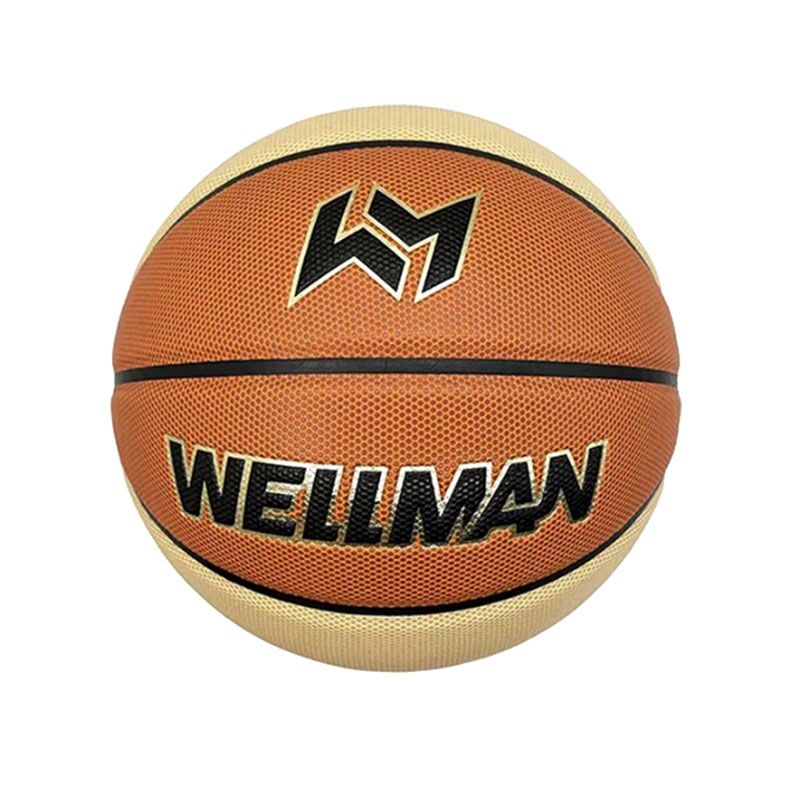
- Professional-Grade Basketballs: Foam Inner Tubes or Butyl Bladders, Pursuing Extreme Stability
Professional-grade basketballs have extremely high requirements for inner tubes, which need to ensure uniform rebound, strong air tightness, and no deformation after long-term use. Therefore, they generally adopt foam inner tubes combined with butyl bladders, and some high-end models will also add high-density nylon winding to improve the integrity of the ball structure.
Compared with rubber bladders, butyl bladders have significantly improved air tightness, which can maintain stable ball air pressure for a long time and are not easy to leak air. At the same time, their tension is more uniform, with strong and delicate rebound feedback. When patting the ball, it can make a deep "boom" sound instead of the "puff" sound of rubber bladders, allowing players to accurately control the rebound force and improve the accuracy of shooting and passing. High-end professional balls of brands such as Spalding all use high-quality butyl bladders to ensure stable ball performance in high-intensity competitions.
Foam inner tubes are the core configuration of professional-grade basketballs, including high-density buffer foam, EVA foam and other types. Their elasticity and feel are better than ordinary rubber inner tubes, which can effectively buffer the impact force of the ball hitting the ground, improve the stability and comfort of ball control, and at the same time make the ball surface smoother, fit the leather material, and further optimize the grip experience. For example, the Molten BG5000 and other World Cup game balls adopt foam inner tube design, which balances rebound speed and feel delicacy, adapting to high-intensity competition needs.
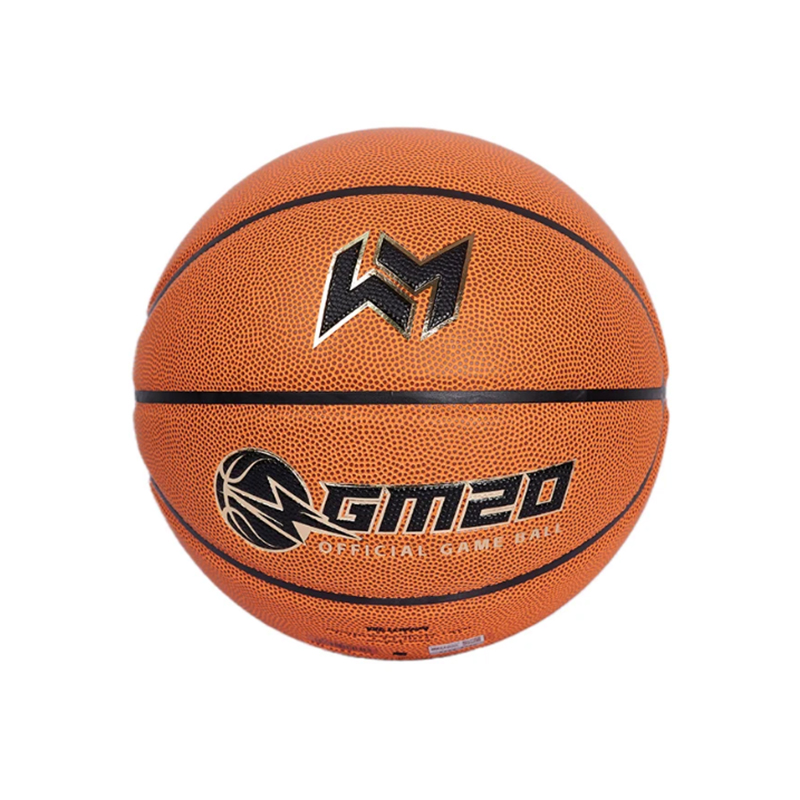
4. Summary: Choose on Demand, Don't Blindly Pursue "Professional-Grade"
In fact, the selection of leather and inner tubes for professional and regular basketballs is mainly about "scenario matching":
If you only play casual basketball, street ball, or entry-level training, you can choose a basketball with ordinary PU leather + rubber bladder inner tube. It has high cost-effectiveness, durability, and easy maintenance, which can meet basic use needs;
If you often participate in high-intensity confrontation, professional training, or pursue ball control feel, it is recommended to choose a professional-grade basketball with moisture-absorbing PU/microfiber PU leather + foam inner tube/butyl bladder. Its feel, rebound stability, and durability (indoor scenarios) are far to regular basketballs;
If you pursue a top experience and only use it on indoor professional wooden floors, you can choose a high-end professional ball with natural cowhide material combined with high-end foam inner tubes and butyl bladders to experience the control feeling of "unity of man and ball".
When purchasing a basketball, there is no need to blindly pursue the "professional-grade" label. By combining your own usage scenarios, budget, and feel preferences, and understanding the material differences between leather and inner tubes, you can choose the suitable basketball for yourself, making every shot and every dribble more textured.

